For enuqiry
The Future of Solar Energy in India: Trends & Opportunities

The Future of Solar Energy in India: Trends & Opportunities

India is entering a defining decade for renewable energy, with solar power emerging as the backbone of the country’s clean energy transition. Rapid urbanisation, rising electricity demand, volatile fossil fuel prices, and growing environmental awareness are accelerating solar adoption across residential, commercial, industrial, and agricultural sectors.

Supported by progressive government policies and continuous reductions in technology costs, solar energy is no longer a niche solution—it is becoming a mainstream, reliable, and financially viable power source for millions of Indians.

Key Trends Shaping the Solar Industry in India

1. Rapid Growth of Rooftop Solar Systems

One of the most significant trends is the expansion of rooftop solar installations in urban and semi-urban areas. Homeowners are increasingly choosing solar to:

  • Reduce monthly electricity bills

  • Protect themselves from future tariff hikes

  • Achieve long-term energy independence

Net-metering policies have further strengthened adoption by allowing consumers to export surplus electricity to the grid, effectively reducing payback periods and improving return on investment.

2. Shift Toward High-Efficiency Solar Panels

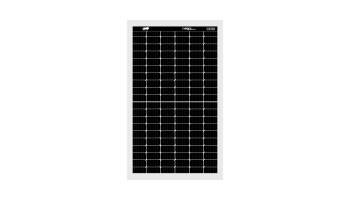
Modern solar technology has advanced significantly. High-efficiency mono-PERC and TOPCon panels generate more power from limited roof space, making them ideal for residential and commercial use. These panels perform better in high-temperature conditions, which is especially important in India’s climate.

3. Integration of Smart Energy Systems

Today’s solar solutions extend far beyond panels alone. Integrated ecosystems now include:

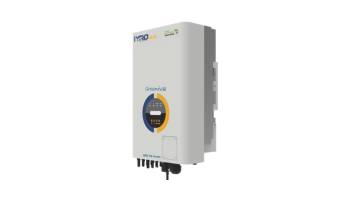
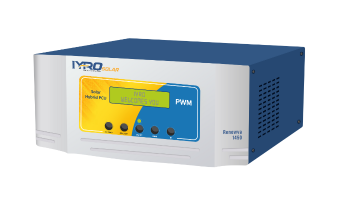
  • Smart inverters

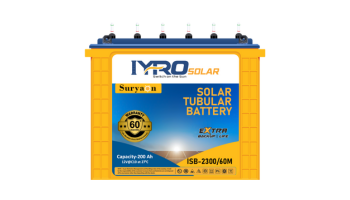
  • Battery energy storage systems

  • Mobile and web-based monitoring platforms

These technologies allow users to track real-time performance, optimise consumption, store excess power, and reduce grid dependence, especially during peak hours or power outages.

4. Growth of Solar in Rural and Agricultural India

Rural India is witnessing a strong shift toward solar through:

  • Solar-powered irrigation pumps

  • Off-grid and hybrid solar systems

  • Community and micro-grid projects

These solutions reduce diesel dependency, lower operational costs for farmers, and ensure reliable power access in remote regions.

Opportunities for Homes and Businesses

For Homeowners

Solar energy provides:

  • Predictable and stable electricity costs

  • Low maintenance and long system life

  • Increased property value

  • A sustainable lifestyle with reduced carbon footprint

With falling installation costs and government incentives, residential solar systems are becoming accessible to a wider audience.

For Businesses and Commercial Establishments

For businesses, solar is both a cost-saving and strategic investment. Benefits include:

  • Reduced operational expenses

  • Improved profit margins

  • Compliance with sustainability and ESG goals

  • Strong brand positioning as an environmentally responsible organisation

Warehouses, offices, factories, retail chains, and educational institutions are increasingly adopting rooftop and captive solar solutions.

Solar Energy: A Mainstream Power Source for India’s Future

With India targeting large-scale renewable capacity expansion, solar energy is no longer just an alternative—it is a core component of the national energy mix. Continuous innovation, improved efficiency, smart energy management, and supportive policies are positioning solar as a long-term solution for both economic growth and environmental protection.

For households, businesses, and industries alike, investing in solar today means lower energy costs, greater energy security, and a cleaner, more sustainable future.

More Blogs

No other active blogs available.